Giacomo Matteotti’s body
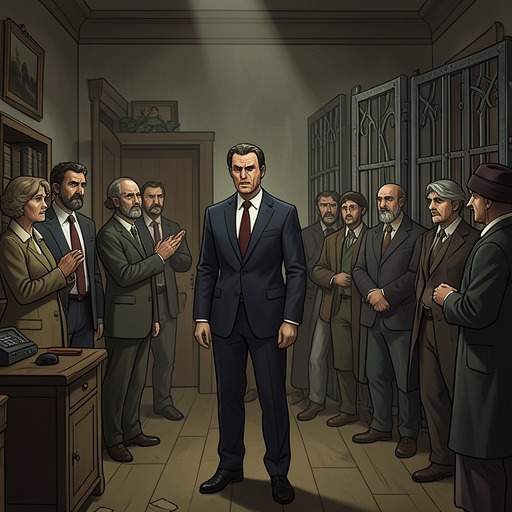
M: Son of the CenturyGiacomo Matteotti’s body is at first an absence around which the country’s fears gather, then the material evidence that ends a wave of speculation. Rumors imagined radically different fates for the remains; their discovery in a hastily dug grave near the Via Flaminia gave the disappearance a physical location and, in the book’s account, brought the nightmare to an end even as a political reckoning began.
Rumor and the Missing Remains
During the search, stories about the body’s fate multiplied without reliable confirmation. They ranged from claims that it had been concealed or destroyed to imagined disposal in the Tiber, Lake Vico, or the zoo at Villa Borghese. The incompatible versions reflected the uncertainty surrounding Matteotti’s disappearance rather than establishing what had happened to the remains.
Lake Vico became one focus of that uncertainty. Divers searched its depths, but found only mud and sludge; searches also extended to caves, catacombs, and abandoned cemeteries. The imagined destinations changed, but each theory made the missing body the center of a national nightmare: until it could be found, no account of the crime seemed settled.
Discovery at Quartarella
A dog led the searchers back through dense brush to the same patch of ground. A carabiniere probed the leaf-covered soil, and the search exposed a shallow grave in the Quartarella wood, opposite the Via Flaminia near its twenty-third-kilometer marker, between Riano and Sacrofano. The investigating magistrates recorded an oblong pit in a clearing formerly used as a charcoal pit, surrounded by brambles.
Matteotti’s remains had been forced into a grave too short for the body. A coarse metal file, left stuck in the ground, marked the burial and had been used to dig it. The medical examination found that the remains were complete and had decomposed naturally in the grave, rather than being subjected to the various forms of destruction imagined in rumor. Their recovery replaced the competing stories with a documented place and manner of concealment.
From Absence to Political Consequence
The discovery did not erase the earlier speculation; it ended its hold as the primary account of what had happened. The book describes the earth as returning Matteotti’s body and laying the ghost to rest. That resolution is immediately qualified: the nightmare was over, but the end had begun. Finding the remains closed the question of where the missing man had been concealed while sharpening the public crisis around his abduction and killing.
The body therefore carries two connected meanings in the narrative. It is the physical trace that makes the crime harder to evade, and the point at which diffuse national anxiety acquires a specific site: a shallow grave, a file, and the ground at Quartarella. The passage from rumor to recovery transforms an unresolved absence into evidence and marks a turning point in the political story.